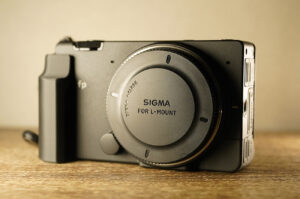
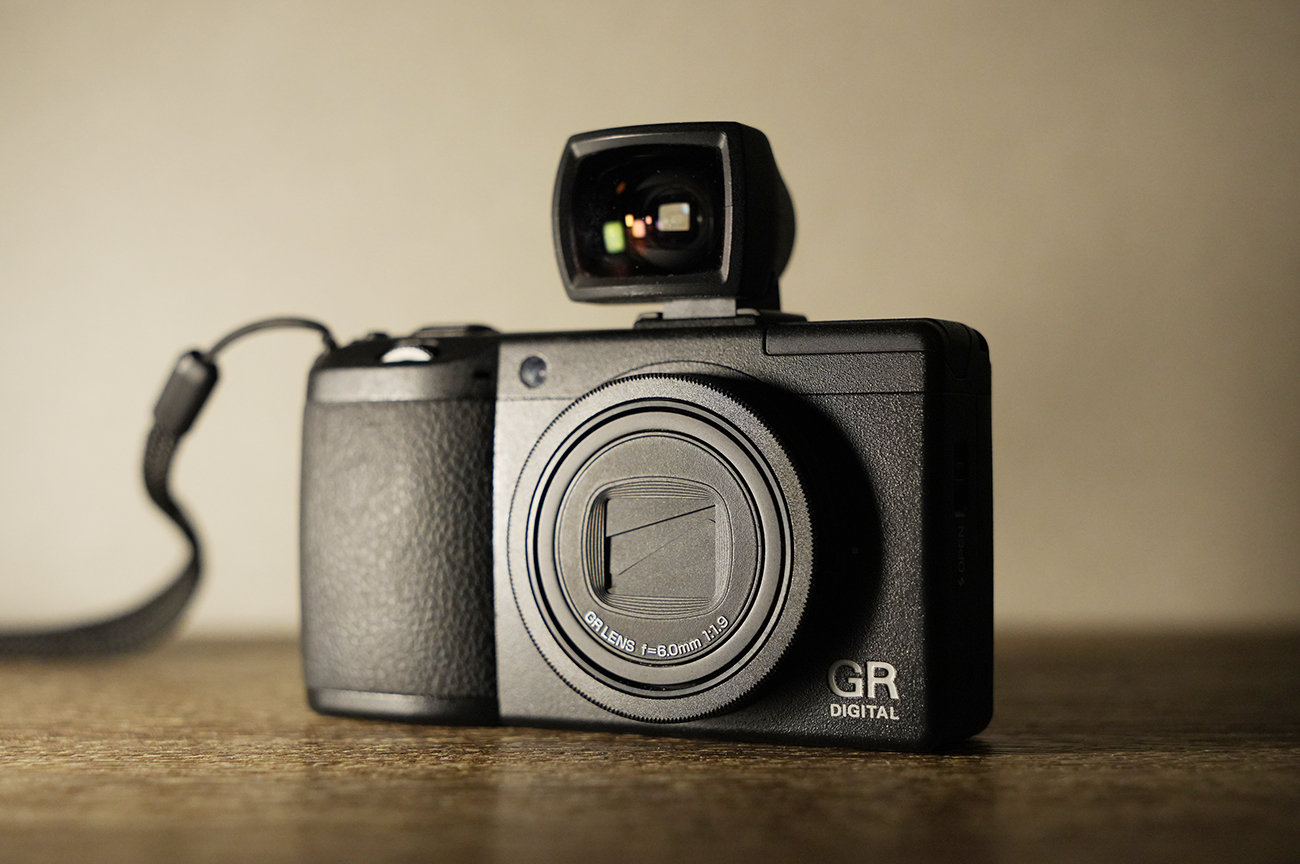
Recently, my father-in-law suddenly handed me a RICOH GR DIGITAL III,
saying he wasn’t using it anymore.
A few years ago, I used to shoot with a GR II, but when I switched all my work gear to the Sony α7 series,
I traded it in. So when I held the GRD3 again, I felt a mix of nostalgia and genuine happiness.
On paper, it’s just a 10MP camera with a 1/1.7″ CCD sensor and USB 2.0.
In today’s world of 60MP full-frame CMOS sensors and USB‑C, it seems like this camera has no chance—no place to belong.
But the GRD3 was never meant to compete on specs.
Just like when I used the GR II, I was reminded again that this camera represents the ultimate form of street photography.
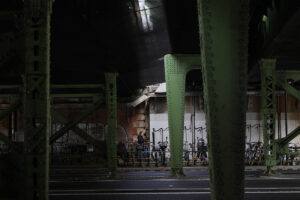
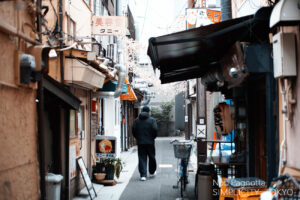
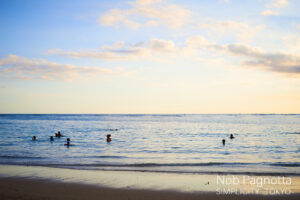
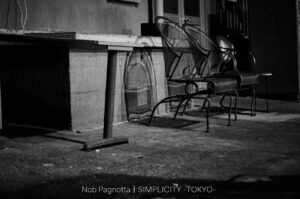
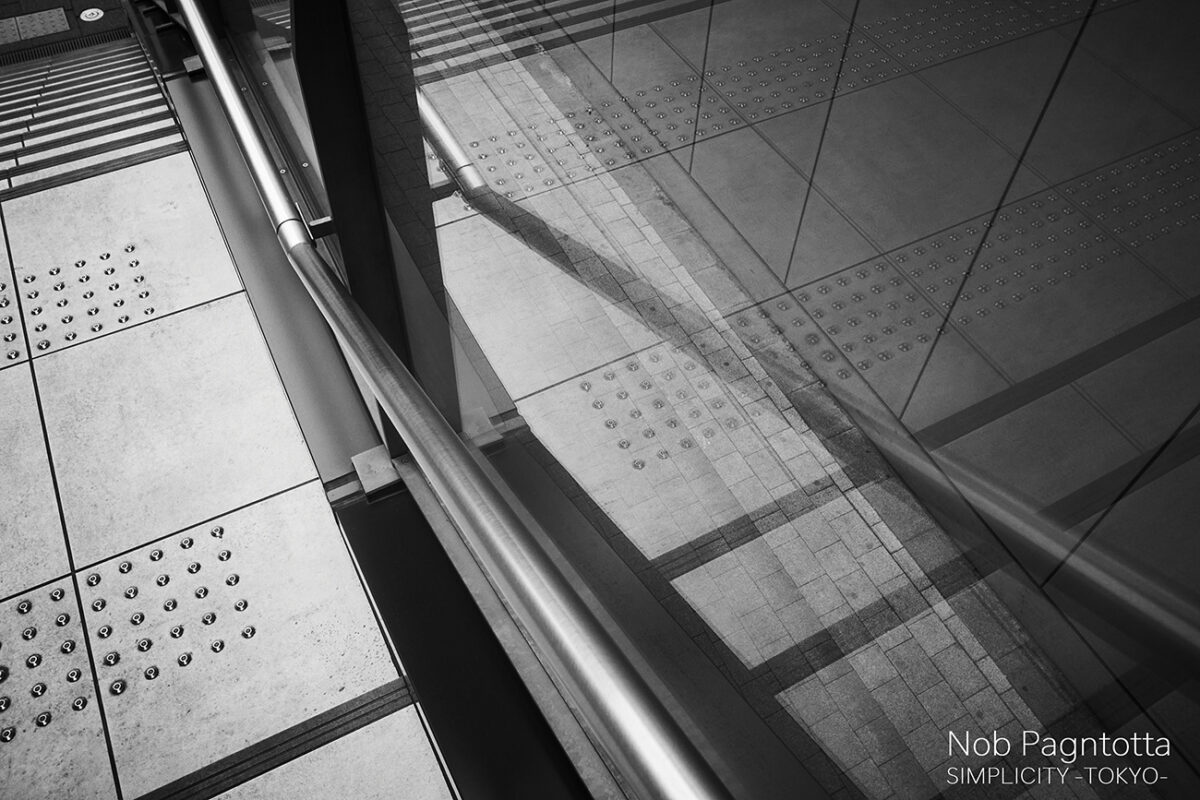
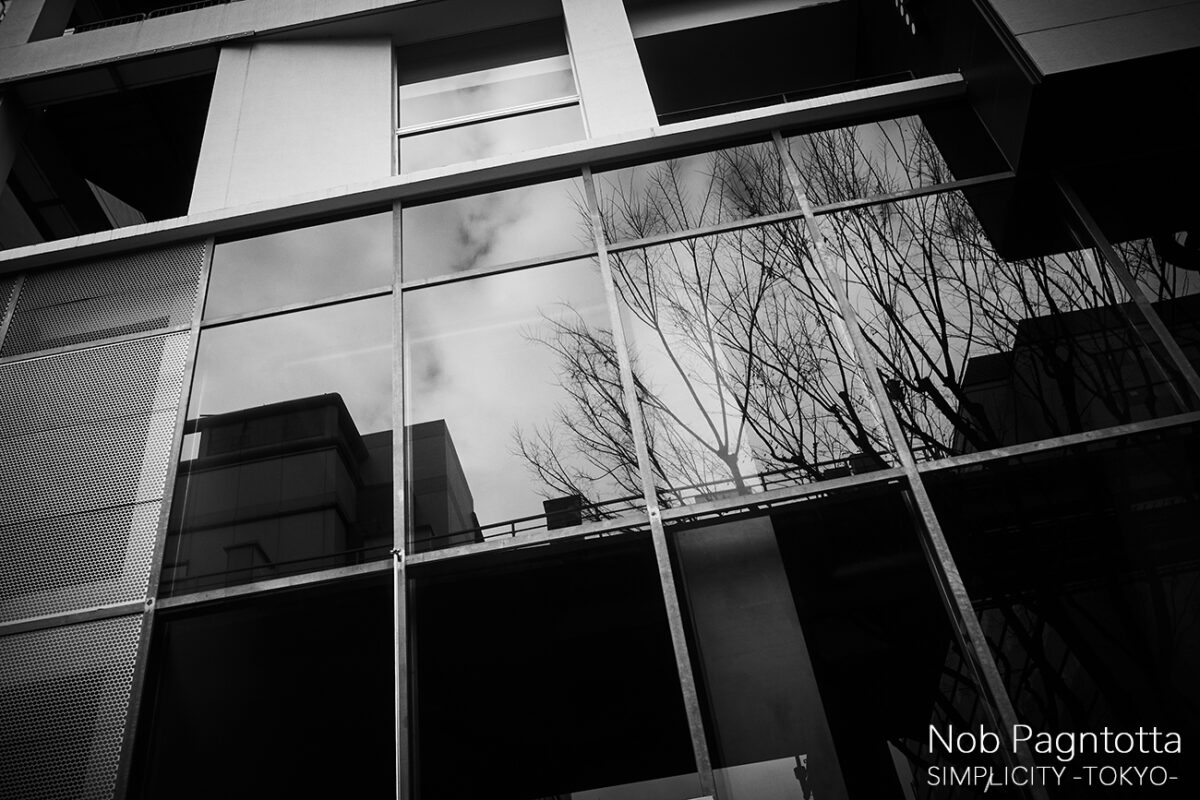
I’ll write my impressions later, but first, here are a few sample shots.
GRD3 Sample Photos
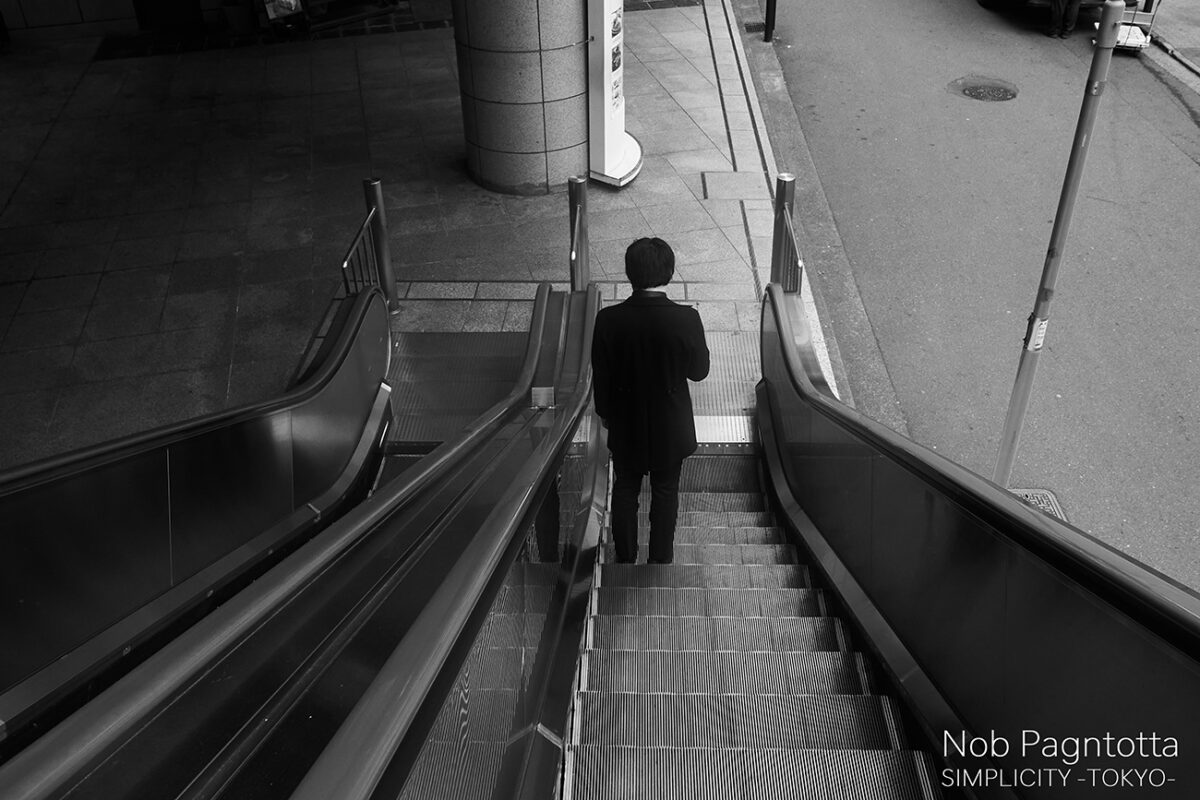
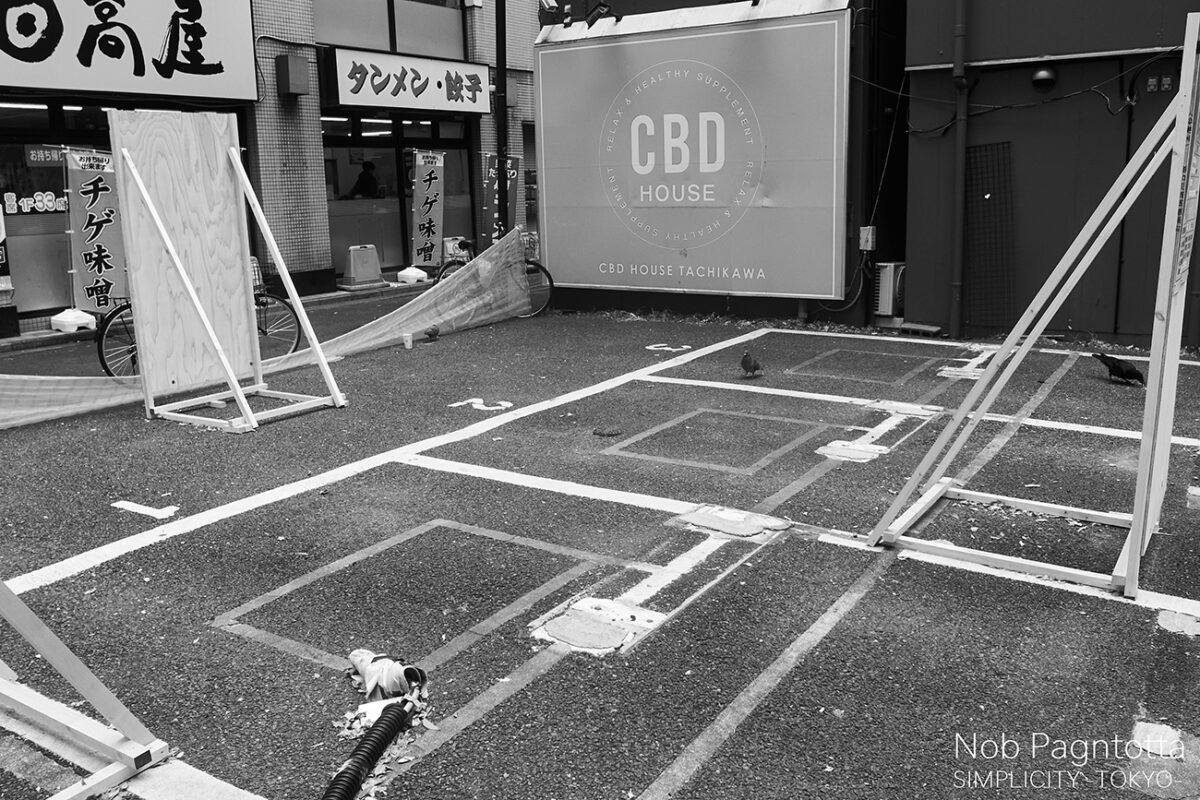
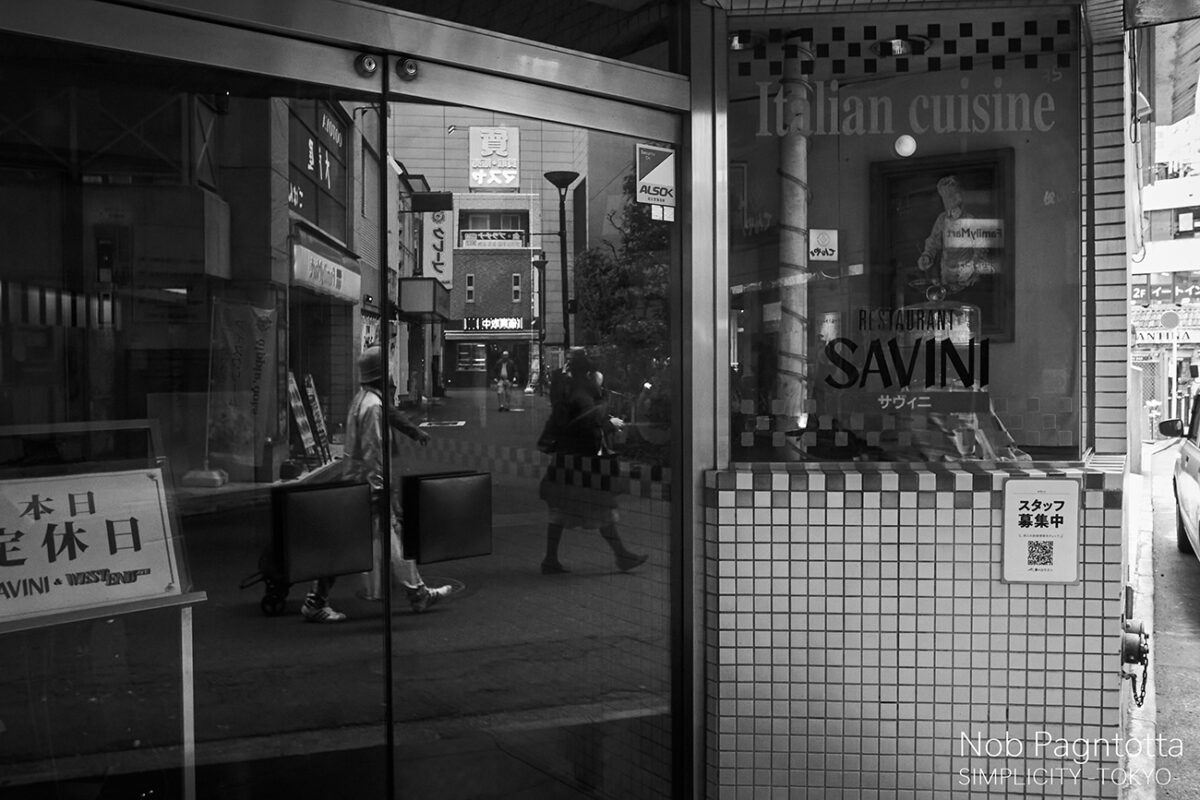
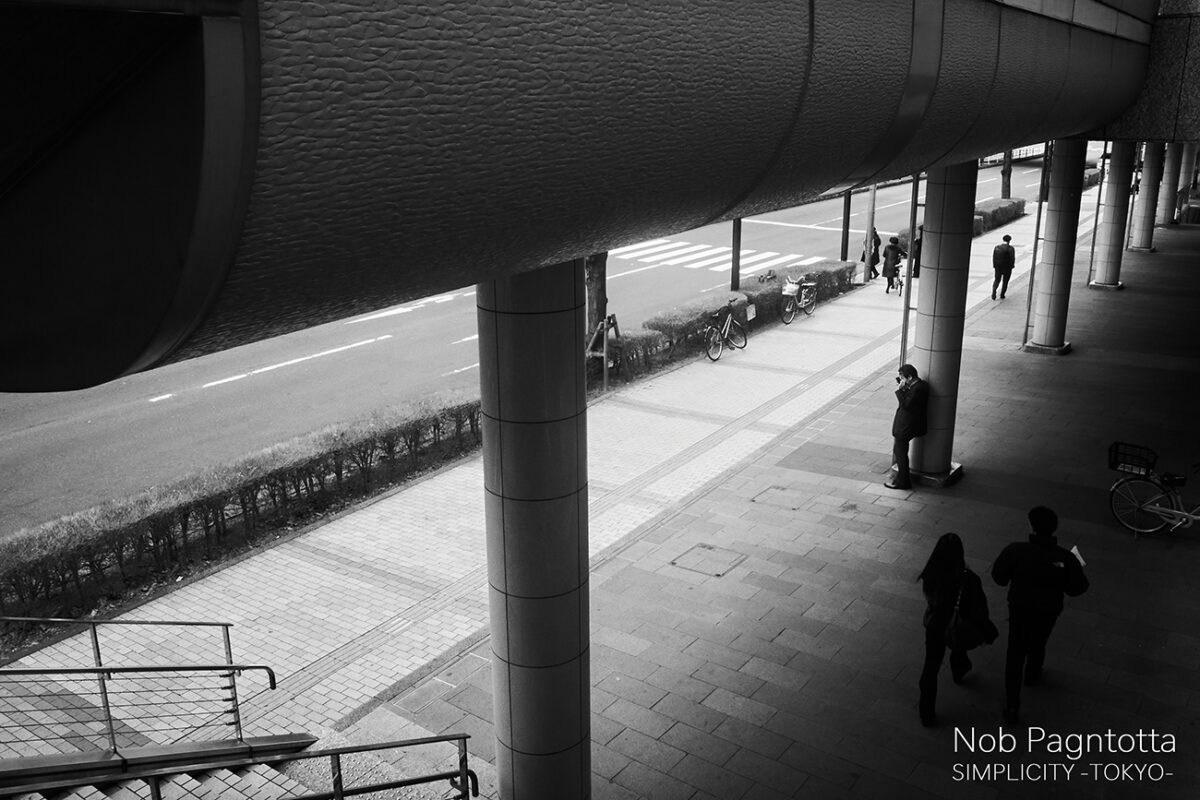
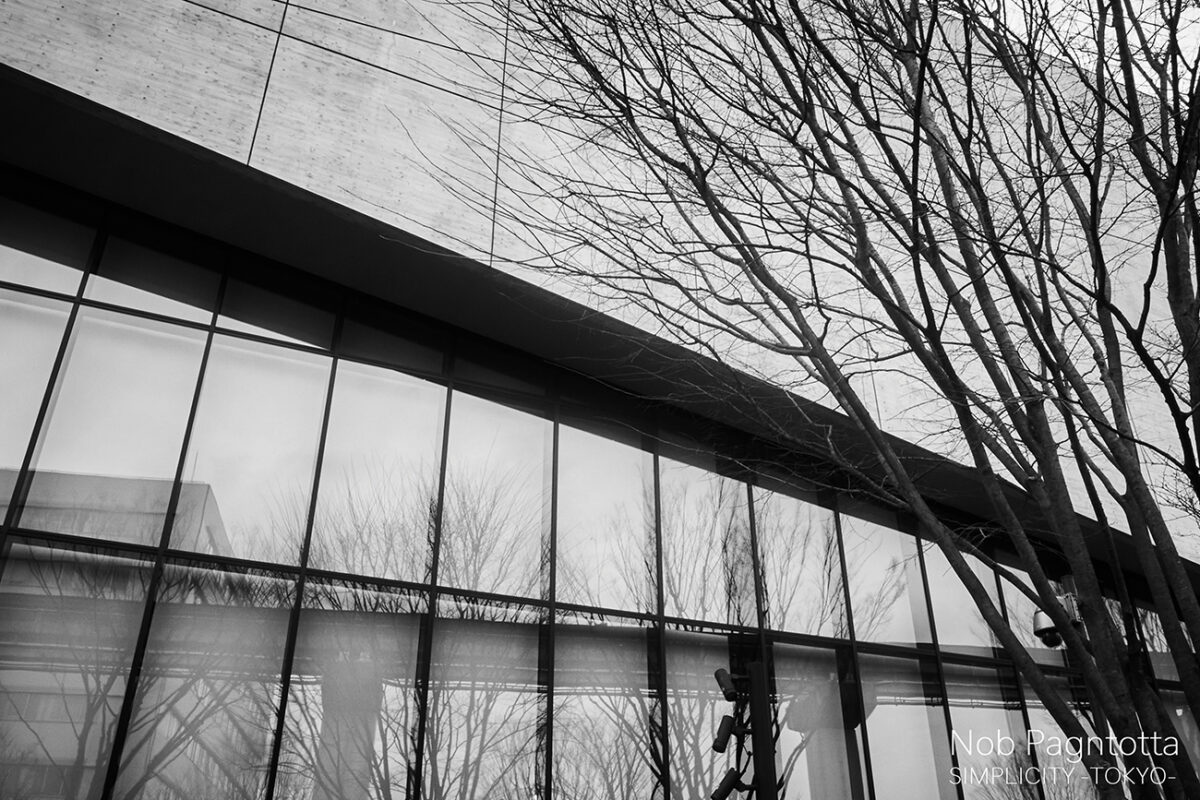
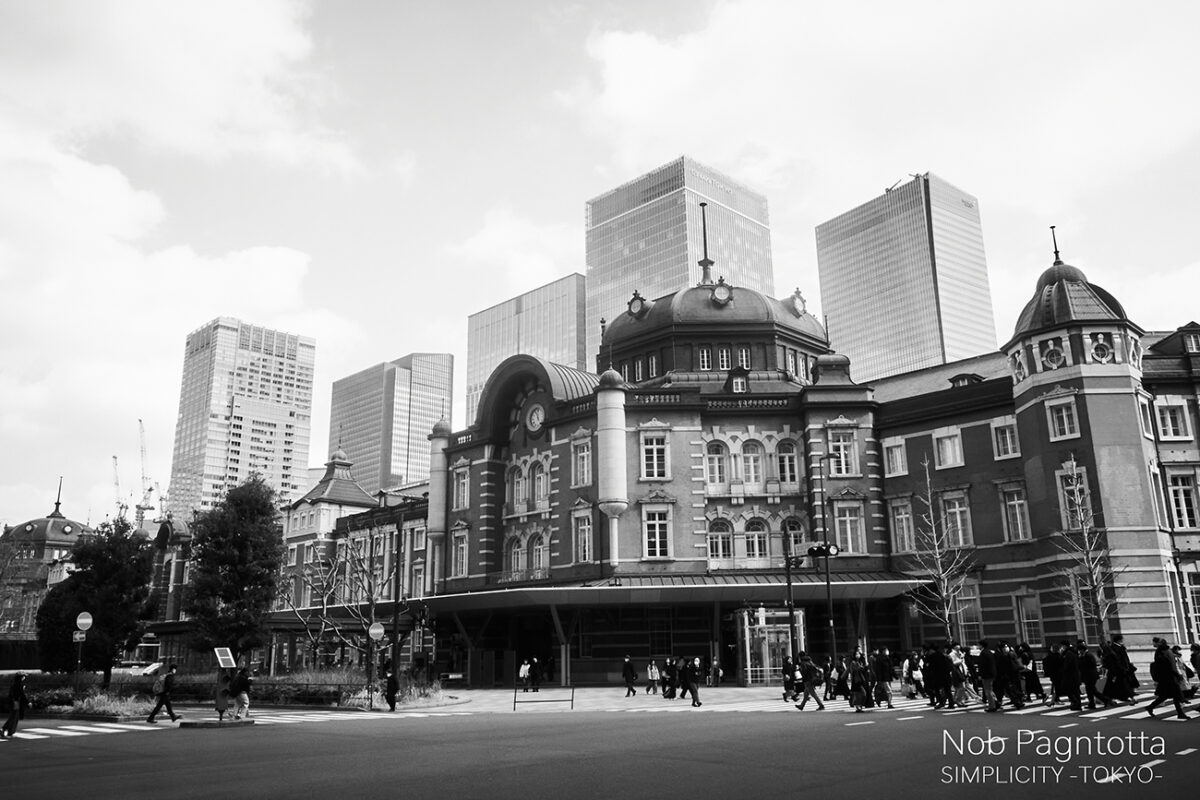
I don’t need 60 megapixels or a huge lens for street photography
Maybe it’s a kind of occupational hazard, but whenever I try to shoot the streets with a “normal camera” (meaning a mirrorless interchangeable‑lens camera),
I inevitably fall into my editorial/work mindset.
- I start shooting like I’m on assignment.
- Carrying a camera bag already puts me in “work mode,” and I lose the mood.
- Walking around with a big zoom lens feels like carrying a cannon—completely out of place.
To put it simply:
It’s like driving a Lamborghini where a compact car would be more than enough.
It’s excessive, and it kills the joy of shooting.
In contrast, the GRD3 (and the GR series in general):
- Can be shot one‑handed
- Fits in a pocket
- Has a 28mm lens that is both pure and challenging—and fun
- Has only 10MP, which means no “I’ll crop it later” safety net → It forces you to move your feet and actually take the photo
- Has that indescribable CCD look
- And for everyday life, you don’t need bokeh or “dreamy softness” (Those things don’t exist in real daily life anyway)
When I started thinking about working as “Nob Pagnotta,” the first thing I thought was:
“I need a camera.”
Even though I already own more than six full‑frame mirrorless bodies for work.
But using those for street photography is… boring. They’re too perfect, too capable, too “work.”
For size comparison, even the Sony ZV‑1 II would be fine. I own it, and I use it for work too.
But because I use it for work, the moment I hold it, something in me switches to “work mode.” (It’s purely psychological, but still.)
That’s why this camera is special:
- A camera from over 10 years ago
- Not APS‑C, not Micro Four Thirds, not even 1 inch—just 1/1.7″
- 10 megapixels, 28mm
It’s a camera I would never use for work. I can’t use it, and I don’t want to use it for work.
But outside of work?
It’s one of the most charming cameras I’ve ever used.
- It’s light
- You can shoot with one hand
- It fits in a small sacoche, not a camera bag
It removes every obstacle that gets in the way of street shooting, while still giving you more than enough image quality.
Of course, a 1‑inch sensor is better. APS‑C is better. Full frame is better. Everyone knows that.
But street photography has its own “optimal answer,” just like professional work has its own.
For me, the GRD3 is the camera that reminded me of the pure joy of taking photos.
It’s not without problems
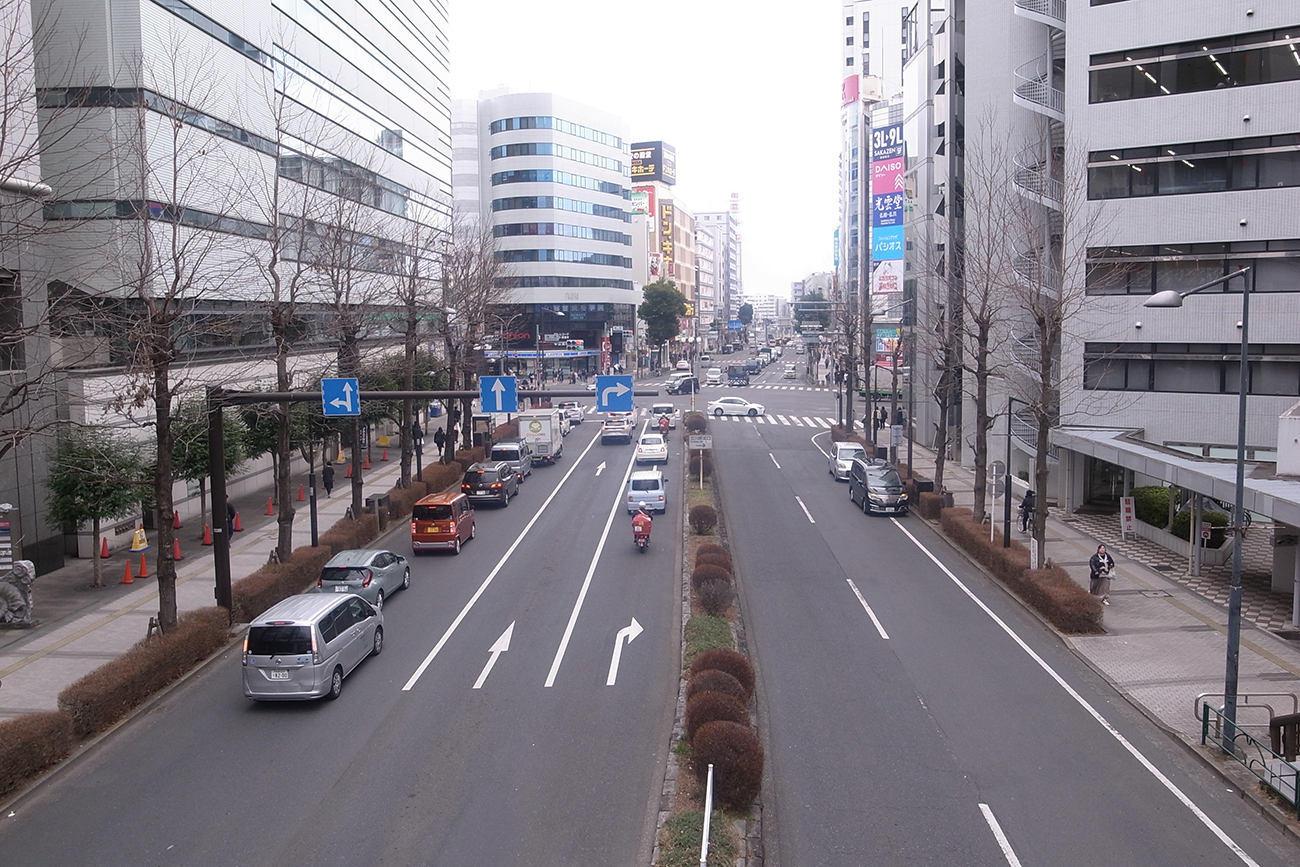
These are straight‑out‑of‑camera JPEGs.
You can see:
- Highlight blooming in backlight
- Overall softness
- A slight hazy, milky veil over the image
This suggests—probably:
- Lens haze
- Sensor haze
And since Ricoh no longer has parts, it can’t be repaired. Other repair shops also declined,
so I’ll just keep using it as is.
But honestly, that’s fine.
I can correct some of it in post, and beyond that,
I’ll just accept it as part of the camera’s character.
If someday I feel like I want a “proper GR,”
I can always buy back a GR II or pick up a used GR III. This isn’t for work, so specs don’t matter.
Blur, noise, softness— all of that is part of street photography.
I have a feeling this camera and I will be together for a long time.